
Chin-Support vs Wraparound Travel Pillows: What Changes in Actual Use?
Both designs can limit forward movement, but they create support in different ways.
Focus on contact points, closure, enclosure, heat, and how often you change sleeping direction rather than treating the two designs as interchangeable.
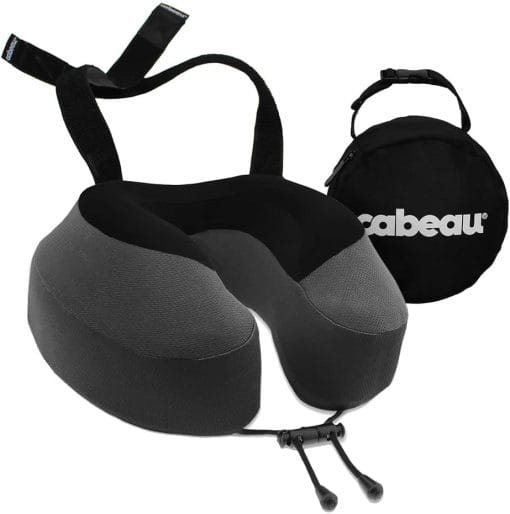
Separate Chin Contact From Full Wraparound Contact
The names can overlap in product listings, so define the designs by what they physically do. One may concentrate support under the chin while another creates contact around more of the neck.
More Defined Front Contact
A chin-focused design aims to give the front of the head somewhere to rest when it drops forward. The useful details are the height of that contact point and whether the closure keeps it in position.
- Inspect chin shelf or overlap
- Check closure adjustment
- Confirm side walls do not crowd the jaw
More Continuous Neck Contact
A wraparound design spreads support around a larger part of the neck. That can help with mixed movement, but it may also increase enclosure and heat.
- Check how fully it closes
- Look at side-wall height
- Review fabric and ventilation

Look at the Front Opening and Closure
The front of the product usually reveals the biggest practical difference. Some designs create a defined chin shelf, while others wrap more continuously around the neck and rely on closure tension and side contact.
The Main Difference Is Where Forward Movement Is Stopped
Chin-support and wraparound pillows can look similar because both may close around the front of the neck, but the way they control movement can differ. A dedicated chin-support design usually places more emphasis on the front contact point that resists the head dropping toward the chest. A wraparound design spreads contact around a larger portion of the neck and may be aimed at mixed movement rather than one direction alone.
That distinction matters if forward drop is your main complaint. A broad collar can feel secure without actually providing the front structure you expect, while a pronounced chin section can feel unnecessary if you mainly lean sideways. Look at the front height, closure position, and how the product is shown supporting the jaw. Those details explain the intended function better than the word “360-degree” by itself. A useful related topic is adjustable design. A focused guide on customizable support features adds useful detail.
Use the Difference That Matters in Your Seat
Neither design is automatically better. Use the factors that affect your own posture, seat, and travel routine.
| Decision factor | Chin-support emphasis | Wraparound emphasis |
|---|---|---|
| Front movement Forward drop | Often concentrates support under or near the chin. | May limit forward motion through enclosure and closure tension. |
| Side movement Directional | Depends on side-wall height and overall shape. | Often provides more continuous side contact. |
| Heat Enclosure | Can feel open if side coverage is lower. | More contact around the neck may retain more heat. |
| Adjustment Closure | Look for height and front-position adjustment. | Look for circumference and closure-range adjustment. |
Closure Design Changes Both Fit and Convenience
Front closures can use hook-and-loop panels, snaps, drawcords, overlapping fabric, or other adjustment methods. The mechanism affects how quickly the pillow can be tightened, how much range is available, and whether the front remains bulky after adjustment. A closure that works well over a thin shirt may feel different when used with a hoodie or jacket collar. More detail is available on airline headrest. See this related chin support pillow on Amazon.
The closure also influences how easily the pillow can be removed when you wake up or need to leave your seat. Frequent flyers may value a system that can be adjusted with one hand, while someone using the pillow mainly in a car or at home may care less about speed. Treat the closure as part of the everyday use experience rather than a minor hardware detail. You can also read about air-filled design. For this specific topic, review neck support travel pillow.
Check Accessories and Seatback Before Choosing
Front support is only useful if the rest of the product fits your setup. Headphones, glasses, hoods, and thick seat headrests can change how the pillow sits.
Compatibility pass
- Over-ear headphones: tall side walls can press into the earcups or change how they seal.
- Glasses: side contact near the temples can create pressure around the arms of the frames.
- Seatback: rear thickness can push the head forward even when front support feels correct.
- Temperature: more enclosure can feel warmer during long periods of use.
Choose in Four Simple Passes
Keep the decision practical by removing options that fail your most important need before judging secondary features.
Identify Forward vs Mixed Movement
Choose which problem appears first when you relax in an upright seat.
Check the Front Geometry
Look at the chin area, closure, and how the product is expected to stay in place.
Check Enclosure and Heat
Decide how much wraparound contact you are comfortable wearing for a long flight.
Verify Rear Thickness and Accessories
Make sure the product will not create a new conflict with the seat, headphones, or glasses.
Use Heat, Packability, and Accessory Space as Tie-Breakers
More contact around the neck can also mean more fabric and less airflow. Travelers who already feel warm in flight may prefer a lower-profile or more open design even if a fuller wrap offers extra contact. Material, cover construction, and how tightly the pillow is worn all influence that trade-off, so the most enclosed option is not automatically the most comfortable one. Another relevant resource is travel pillow for neck support.
When support needs are similar, check packed size and accessory compatibility next. A wraparound collar that presses against over-ear headphones or the arms of your glasses may create a new annoyance. A chin-support design that packs larger than your personal item allows can be equally impractical. The better choice is the one that solves the main movement problem without creating a bigger travel problem elsewhere. You can also explore ergonomic inflatable travel pillow.
Travel Pillow Options With Front and Wraparound Support
These catalog examples can show different ways of creating front contact. Open the product details to check closure style, side height, rear thickness, materials, and packed size before deciding which support pattern is more suitable.
Cabeau Evolution S3 Travel Pillow – Memory Foam Neck Pillow for Airplane and Long Flights with Seat Straps for Head and Neck Support, 360 Degree Support (Steel Grey)
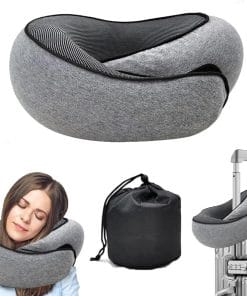
WEERSHUN Travel Pillow for Airplanes, 2026 New Memory Foam Neck Pillow with Chin Wrap for Traveling, Suitable for Airplanes, Offices and Cars (Dark Gray)
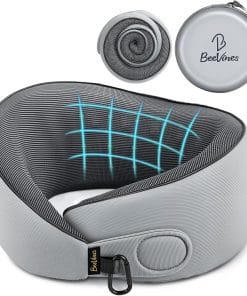
BeeVines Travel Pillow with Carry Case, Memory Foam Neck Pillows for Airplanes, 360° Wrap Around Support for Sleeping, Breathable & Washable Cover for Long Flights, Car & Train Traveling

C CUSHION LAB Travel Pillow, Award-Winning Patented Ergonomic Design for Chin & Neck Support Memory Foam Neck Pillow, Compact Airplane Pillow for Traveling, Flight, Car (Hunter Green, Large)
Choose the Contact Pattern That Solves Your Main Movement
Start with the movement problem, then use enclosure, heat, and compatibility as tie-breakers.
