
How to Size a Travel Neck Pillow Before You Buy
A size label is useful only when it matches your neck, shoulder space, and seat setup.
Use a few simple measurements and product dimensions to spot designs that may sit too high, too loose, or too bulky behind the head.

Three Fit Clues Matter More Than the Size Name
Travel pillows often use broad size terms such as one size, small, or large. Those labels do not tell you how the pillow will interact with your body or the seat, so focus on measurable contact points.
Jaw-to-Shoulder Space
A tall side wall may feel supportive for one traveler and crowded for another. Note the vertical space the pillow must occupy without lifting the jaw.
Neck Circumference
For wraparound or closure-based designs, compare the listed adjustment range with how closely you prefer the pillow to sit around your neck.
Rear Clearance
A thick rear section can move the head forward when a seat already has a pronounced headrest. Check the rear profile, not only the front view.
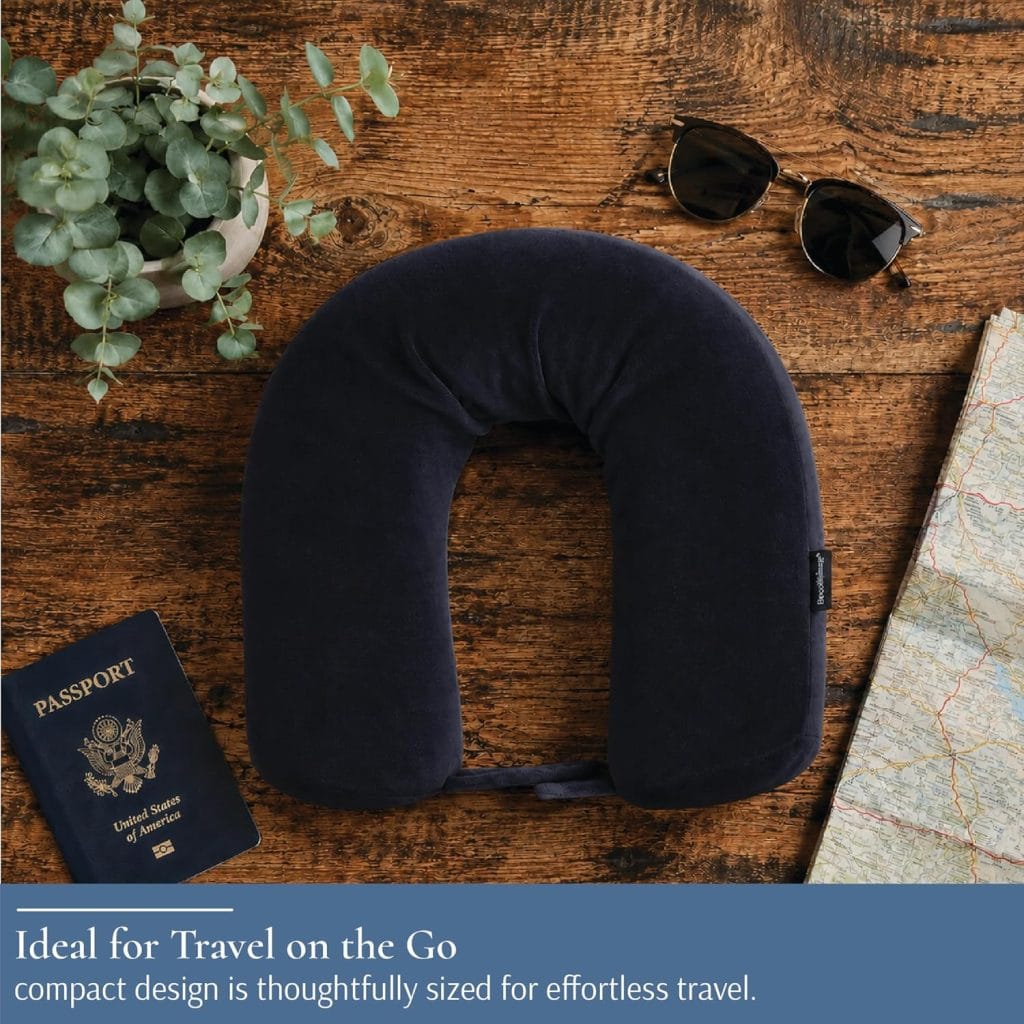
Use the Product Image as a Second Fit Check
Dimensions matter, but the side profile can reveal whether a pillow has tall walls, a thick rear pad, or a closure that changes how closely it sits around the neck.
Size Labels Cannot Replace Body and Seat Measurements
Travel pillow sizing is unusual because the product sits between your body and a fixed seat. Two people with similar neck circumference can still prefer different side-wall heights because shoulder position, jaw shape, and sleeping direction change the available space. That is why a simple small, medium, large, or one-size label should be treated as a starting clue rather than a guarantee of comfort. A useful related topic is adjustable design. For a closely related guide, see travel pillow for neck support.
The seat can change the result just as much as the body. A thick airline headrest or car-seat cushion reduces the space available behind the head. A low-profile seat may allow a thicker rear cushion without forcing the chin forward. If you regularly travel in one type of seat, use that environment when judging rear thickness and head position rather than relying only on product photos taken against a plain background. A focused guide on customizable support features adds useful detail.
Take the Same Four Checks Before Every Purchase
Consistency makes product pages easier to judge. Keep a short measurement note on your phone so you can compare listed dimensions without relying on memory.
Before you order
- Measure neck circumference: use a soft tape where the pillow is expected to close, without pulling it tight.
- Estimate jaw-to-shoulder gap: this helps you judge whether tall side support is likely to crowd the face.
- Review seatback space: think about the headrest or seat you use most often and how much rear padding it can tolerate.
- Check your accessories: over-ear headphones and thick hoods can reduce usable side space.
Create a Simple Personal Fit Note
You do not need a complicated fitting process. A short note with neck circumference, approximate jaw-to-shoulder space, preferred closure tightness, and whether you normally use over-ear headphones is enough to make product pages easier to judge. Keep those figures with your travel packing notes so that you can compare them with listed dimensions whenever you shop. For another practical angle, see sleeping direction. For this specific topic, review neck support travel pillow.
Also record what felt wrong about any pillow you already own. “Too tall on the left side,” “rear cushion pushes me forward,” or “closure loosens during use” is more useful than simply writing that the pillow was uncomfortable. Those observations turn a vague preference into a clear requirement for the next purchase and help you avoid buying a different product with the same fit problem. Another relevant resource is travel pillow for side sleepers.
Translate Product Dimensions Into Fit Questions
A dimension is useful when you know what it changes in use. Pair each listed measurement with the part of the fit that it may affect.
| Listing detail | What it may affect | Question to ask |
|---|---|---|
| Overall height Vertical fit | How high the pillow reaches beside the jaw or ear. | Will the side wall feel supportive or crowded? |
| Front opening / closure Neck fit | How closely the pillow can sit around the front of the neck. | Is there enough adjustment for my preferred fit? |
| Rear thickness Seat position | How far the head may be moved away from the seatback. | Could this push my head forward? |
| Packed dimensions Carry space | How much room the pillow needs when not in use. | Will it fit the bag space I actually have? |
Use a Quick Pre-Trip Check Once the Pillow Arrives
A product can match the listed measurements and still feel different in your real setup. Test it with the same seat posture and accessories you expect to use while traveling.
Sit Against a Real Seatback
Use a dining chair, car seat, or other upright seat and check whether the rear of the pillow changes your head position.
Try Your Normal Lean Direction
Let your head move naturally rather than forcing a pose. Confirm that the pillow contacts the area you expected it to support.
Add Headphones or Glasses
Fit changes when accessories occupy the same space near the ears, temples, or side walls.
Check Closure Comfort
If the design tightens, confirm that you can secure it without needing an unusually tight setting.
Check Fit Again With Your Travel Accessories
A pillow can fit well by itself and still feel crowded once the rest of your travel setup is added. Glasses need temple space, over-ear headphones need room around the ears, and a hood or eye mask can change how much contact you tolerate around the face. If those items are part of your normal trip, include them in the fit test instead of treating them as an afterthought. See this related travel neck pillow on Amazon.
Finally, remember that adjustability only helps when the range includes a comfortable position for you. Extra straps, toggles, or closures are not automatically better. The useful question is whether they let you fine-tune support without creating pressure or unnecessary setup. A simple pillow with the right proportions can be a better fit than a highly adjustable design that starts from the wrong basic shape. You can also explore airplane comfort accessories.
Travel Pillow Options With Different Fit Profiles
The catalog examples below may use different heights, closures, shapes, and rear thicknesses. Open the product page for the listed dimensions and construction before deciding whether the fit profile suits you.
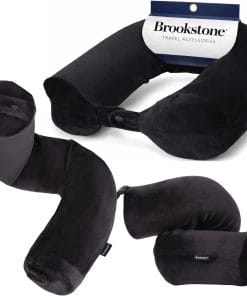
Brookstone Free Form Travel Pillow – Lightweight Flexible Memory Foam Travel Neck Pillow for Sleeping, Car, Airplane & Travel Support, Size: One Size, Black | Adjustable Internal Spine Shapes Into a U, Roll or Curve for Neck, Back or Side-Sleeper Support, Foldable for Any Trip
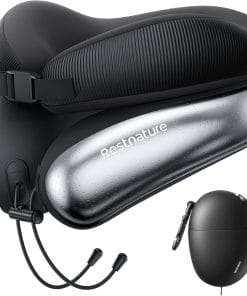
Neck Pillow for Traveling, Travel Pillows for Airplanes, Adjustable Neck Pillow Airplane Travel Essentials – 2 Layer Patented | Inflatable Air Loop & Memory Foam for 360° Ergonomic Support
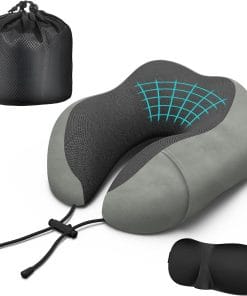
Neck Travel Pillow, Upgraded Memory Foam Pillow for Airplane, Machine Washable, Adjustable Flight Pillow, Suitable for Sleeping Airplane, Car, Office and Home (Grey)
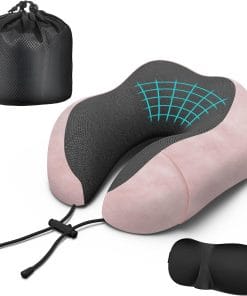
Neck Travel Pillow, Upgraded Memory Foam Pillow for Airplane, Machine Washable, Adjustable Flight Pillow, Suitable for Sleeping Airplane, Car, Office and Home (Pink)
Keep the Fit Decision to Five Practical Checks
Use size information to eliminate obvious mismatches. Comfort still depends on your posture, seat, and preferred support direction.
