Forward Head Drop
Look for front or chin contact, an adjustable closure, and enough structure to limit the head falling toward the chest.
CHECK: CHIN SUPPORT + CLOSURE

Choose by fit, support direction, and how you actually sleep in a seat.
Choose by fit, support direction, and how you actually sleep in a seat.
Use these checks to narrow the options by shape, fill, seat compatibility, and packed size before you look at extra features.

Travel pillows are not interchangeable. A design that limits side lean can feel very different from one intended to support the chin. Start with the movement you want to reduce, then narrow the catalog to shapes that address that movement.
Look for front or chin contact, an adjustable closure, and enough structure to limit the head falling toward the chest.
Review side-wall height and where the pillow contacts the jaw, neck, and shoulder when you naturally lean to one side.
Wraparound and multi-position designs can suit travelers who change sleeping direction during the same trip and need more than one contact point.

A product image can reveal useful fit clues before you open every specification. Check whether the design reaches the chin, how high the side walls sit, and whether a thick rear section could push the head forward against a seatback.
A useful shortlist starts with the way your head actually moves when you relax, not with a feature count. Someone who repeatedly drops forward needs a different contact pattern from a traveler who leans toward the window or alternates between both sides. That distinction helps you ignore attractive extras that do not solve the main comfort problem. It also makes product descriptions easier to read because you know which details deserve attention first. A useful related topic is sleeping direction. Another relevant resource is inflatable vs memory foam.
Think through the seat you use most often as well. A pillow that feels supportive on a sofa can behave differently against a firm airline headrest, a car seat, or a train seat with pronounced side wings. Rear thickness, side height, closure position, and the amount of shoulder space all affect how the pillow interacts with that seat. Treat the pillow and the seat as one setup rather than judging the pillow in isolation. For another practical angle, see air-filled designs. For a closely related guide, see travel pillow support features.
Fit is the fastest way to remove poor choices. Treat size labels as a starting point, not proof that the pillow will work with your neck, shoulders, seat, or accessories.
Dimensions are most useful when they answer a practical question. Overall height can hint at how much of the jaw or cheek a side wall may reach. Rear depth can tell you whether the head may be pushed away from the seatback. Closure range matters for wraparound designs because the same product can feel open on one person and restrictive on another. These details are more dependable than a broad label such as “one size.” A focused guide on travel pillow for side sleepers adds useful detail.
The same approach applies to materials. Memory foam usually keeps more structure but often takes more space than an inflatable option. Air-filled designs can pack smaller and let you alter firmness, but the valve and inflation method become part of the buying decision. Fiber-filled and hybrid products add their own trade-offs around softness, bulk, drying, and setup. The right choice is the combination of support, fit, and travel practicality that matches your routine. For this specific topic, review memory foam travel pillow.
Fill affects structure, packing, heat, cleaning, and how much setup a pillow needs. There is no universal winner, so use the trade-off that matters for your trip.
| Fill type | What it changes | Check before buying |
|---|---|---|
| Memory foam Structured | Structured feel and shape retention. | Weight, heat, packed size, removable cover. |
| Inflatable Compact | Adjustable firmness and compact packing. | Valve design, inflation method, leak risk, surface fabric. |
| Fiber / microbead Soft | Softer feel with less rigid support. | Bulk, shifting fill, wash instructions, drying time. |
| Hybrid Mixed | Combines air or foam with fabric structure. | Extra parts, setup steps, packed size, care instructions. |
Different shapes create different support patterns. Focus on where the pillow contacts your head and neck, then check whether that pattern matches the direction you usually move while sleeping upright.
Before ordering, imagine the complete travel sequence: carrying the pillow through the airport, using it with headphones or glasses, placing it against the seat, and packing it again after the trip. A design that solves only one of those moments may still become annoying overall. Frequent travelers often benefit from prioritizing repeatable setup and easy storage, while occasional travelers may accept more bulk for a support style they strongly prefer. You can also explore travel accessories for flights.
When two products seem similar, compare the few details that can change the experience rather than trying to rank every feature. Support direction, usable neck space, rear clearance, material, and packed size are a practical five-point check. Once those are clear, secondary features such as clips, pouches, hoods, or color can help break the tie without distracting from the main purpose of the pillow. See this related travel pillow on Amazon.
These live catalog examples show how different support shapes and fill types appear in real products. Use the decision checks above first, then open a product page for the listed dimensions, materials, care instructions, and current seller details.
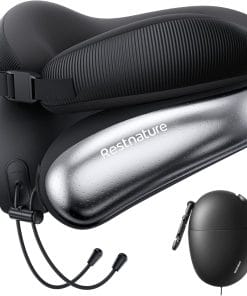
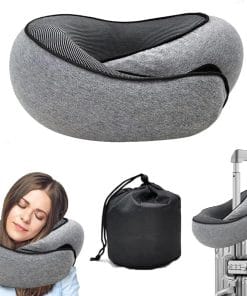
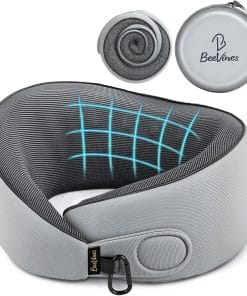

Use these checks to remove poor-fit options first. Extra features should come after the fit, support, and seat-compatibility decision.