
Travel Pillow Fit With Headphones, Glasses and Sleep Accessories
Several travel accessories compete for the same space around the ears, temples, neck, and seatback.
Test the full setup as one system. A pillow that fits well alone can become uncomfortable when headphones, glasses, a hood, or an eye mask occupy the same contact zones.
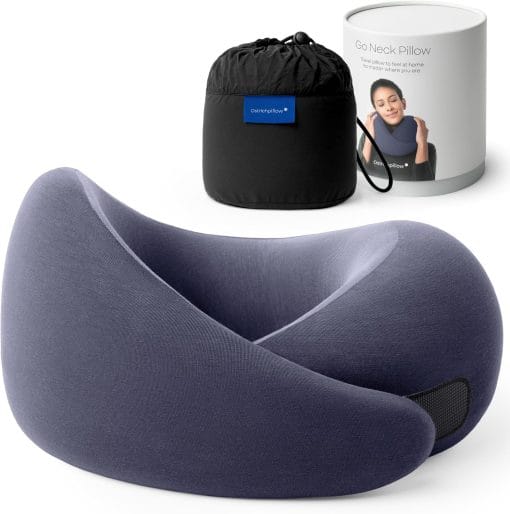
Map the Accessories to the Space They Need
Each accessory uses a different part of the head and neck. Conflicts become easier to predict when you look at the exact contact zone instead of judging products separately.
Over-Ear Headphones
Glasses
Eye Mask
Hood / Headrest
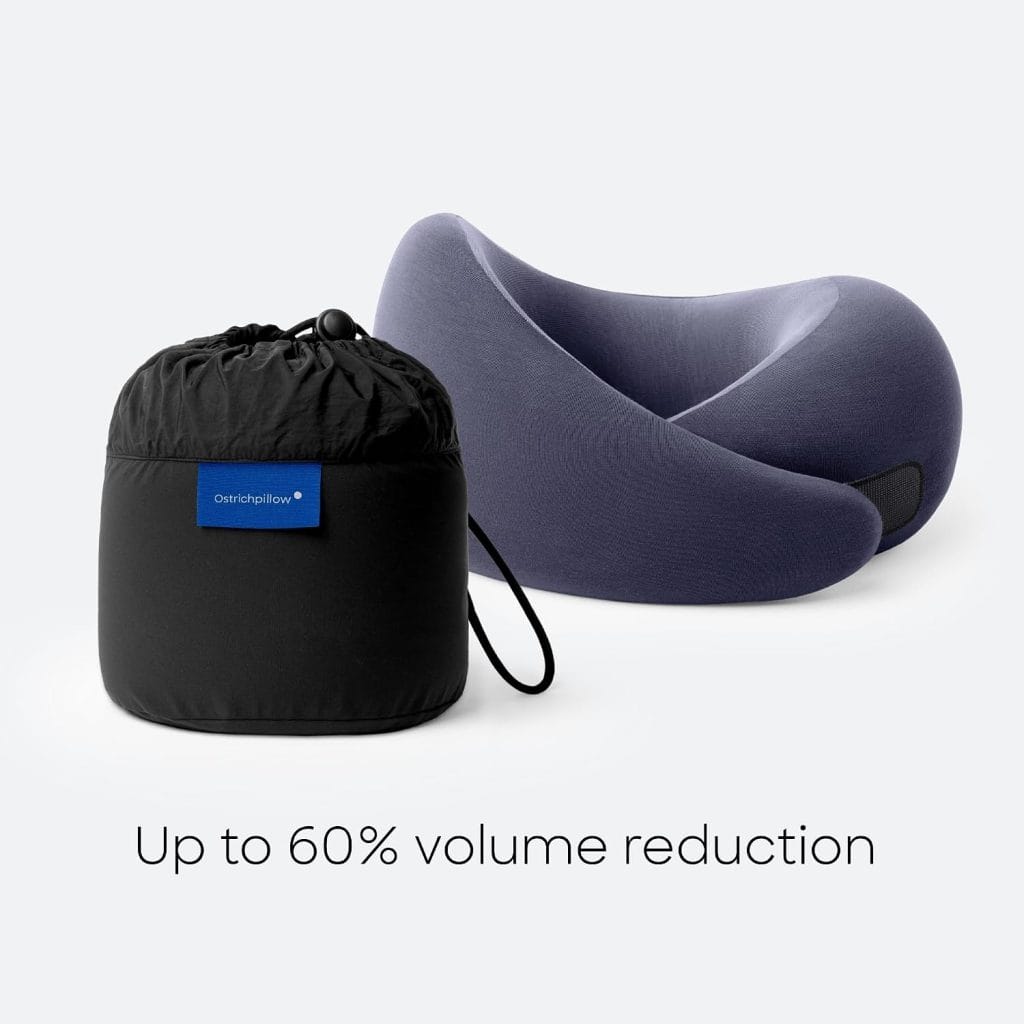
Focus on the Ear, Temple, and Rear Contact Zones
Accessory problems usually happen where side walls rise toward the ears, glasses arms sit at the temples, or the pillow and headrest stack behind the head.
Most Accessory Conflicts Happen Around the Ear and Temple
Travel pillows, glasses, and headphones often compete for the same small area. Tall side walls can press an over-ear headphone cup upward, while thick wraparound fabric may contact the arms of glasses near the temple. A hood can add another layer that changes how close the pillow sits. These are fit conflicts, even when each item feels comfortable on its own. A useful related topic is headphones or glasses. For this specific topic, review portable travel pillow.
When reviewing product photos, pay attention to the height of the pillow beside the ear rather than only the front view. A low side profile may leave more headphone space, while a high collar may offer more support but reduce room around the ear. If you regularly use large headphones, that trade-off deserves the same attention as fill material or packed size. You can also explore travel pillow for hot climates.
Put Accessories On in the Order You Will Use Them
Small changes in order can change fit. A headphone band may shift an eye mask, and a hood can make a rear pillow section feel much thicker.
Five-minute compatibility test
- Start with the seat posture: sit against a real backrest so rear thickness is visible from the beginning.
- Add the pillow: position and adjust it before adding accessories.
- Add glasses and headphones: notice temple or ear pressure when you lean in your normal direction.
- Add hood and eye mask last: check whether their straps or fabric are displaced by the pillow or headphone band.
Test Accessories in the Order You Actually Wear Them
Put on glasses, earbuds or headphones, hood, and eye mask in the same order you normally use them, then add the pillow. This reveals whether a closure becomes hard to reach or whether the pillow moves an accessory out of position. Reversing the order can produce a fit that looks fine at home but is awkward when repeated in a cramped seat. For another practical angle, see packed size. Another relevant resource is compact foldable pillow.
Also check what happens when you turn your head slightly. A setup can feel comfortable while facing straight ahead but press on a headphone cup or glasses arm as soon as you lean to one side. Small movements matter because sleep is rarely perfectly still. The better combination is the one that remains comfortable across the range of movement you realistically use. You can also read about heat buildup. For a closely related guide, see airplane comfort accessories.
Use the Smallest Change That Restores Space
If the full setup does not work, identify which item is causing the conflict before replacing everything.
| Problem | Likely conflict | Practical adjustment |
|---|---|---|
| Headphone cup lifts Side-wall interference | Pillow presses into the lower part of the earcup. | Lower/reposition pillow or use a lower-profile side shape. |
| Glasses arms feel pinched Temple pressure | Pillow or headphone cup presses the frame against the head. | Reduce side pressure or switch to in-ear audio for that trip. |
| Head pushed forward Rear stacking | Hood + pillow + headrest create too much thickness. | Remove a rear layer or choose a thinner rear profile. |
| Eye mask slips Strap overlap | Mask strap crosses a hood, headphone band, or pillow edge. | Change the order or route the strap through a clear zone. |
Repeat the Setup Before a Long Flight
A short home test can save a lot of adjustment in a confined seat. Use the actual accessories you plan to pack.
Sit for Ten Minutes
Give pressure points enough time to appear instead of judging the setup immediately.
Lean in Both Directions
Check whether headphones or glasses become uncomfortable when your head rests on the pillow.
Simulate Recline
Change the backrest angle and recheck rear thickness and side contact.
Practice Removing Everything
Make sure you can take the setup off quickly without tangling straps or knocking accessories loose.
Choose Which Accessory Gets Priority
Sometimes two items simply do not fit together well. If noise reduction is essential, you may prefer a pillow with lower sides so the headphones can seal properly. If head support matters more, switching from over-ear headphones to earbuds may free the space needed for a taller collar. Deciding which function gets priority avoids trying to force an uncomfortable compromise. See this related travel pillow options on Amazon.
The same thinking applies to hoods and sleep masks. A thick hood can change closure range, and some masks have straps that sit exactly where a pillow edge touches the head. There is no universal compatible setup. Treat the full combination as one system and choose products that leave enough physical space for the accessories you actually use on most trips. A focused guide on travel accessories for flights adds useful detail.
Travel Pillow Options With Different Side and Rear Profiles
Use these catalog examples to inspect side height, rear thickness, closure, and overall profile. Those details help predict whether the pillow will share space cleanly with headphones, glasses, hoods, and eye masks.
Ostrichpillow GO Travel Pillow, 360° Memory Foam Support, Soft & Washable

Ostrichpillow GO Travel Pillow, 360° Memory Foam Support, Soft & Washable

Ostrichpillow GO Travel Pillow, 360° Memory Foam Support, Soft & Washable

Ostrichpillow GO Travel Pillow, 360° Memory Foam Support, Soft & Washable
Protect Shared Space Around the Head and Neck
A simpler accessory combination is often better than forcing several individually good products into the same limited space.
