
Inflatable Travel Pillow Losing Air? Check the Valve, Seam and Bladder
Confirm the pillow is actually leaking before assuming the bladder is punctured.
Start with inflation method and valve closure, then inspect seams and the bladder surface. Use only repair methods allowed by the product instructions, and check warranty or replacement options when damage is unclear.
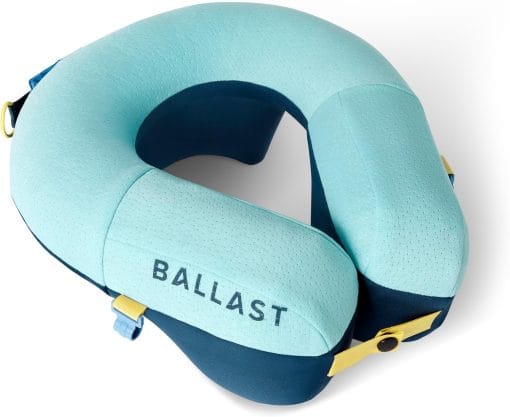
Work From the Easiest Cause to the Hardest
Avoid patching the product before you know where air is escaping. A simple valve or setup issue should be ruled out first.
Inflate to the Normal Use Level
Do not overinflate. Use the pressure or firmness recommended by the product and note the starting condition.
Reseat and Close the Valve
Inspect the cap, flap, or internal seal for debris and make sure it is positioned exactly as intended.
Check Seams and High-Wear Areas
Look for visible separation, abrasion, or damage where the pillow folds during packing.
Confirm the Leak Location Before Repair
Use only a detection method and repair process that the product instructions allow. Do not apply random adhesives to an unknown material.
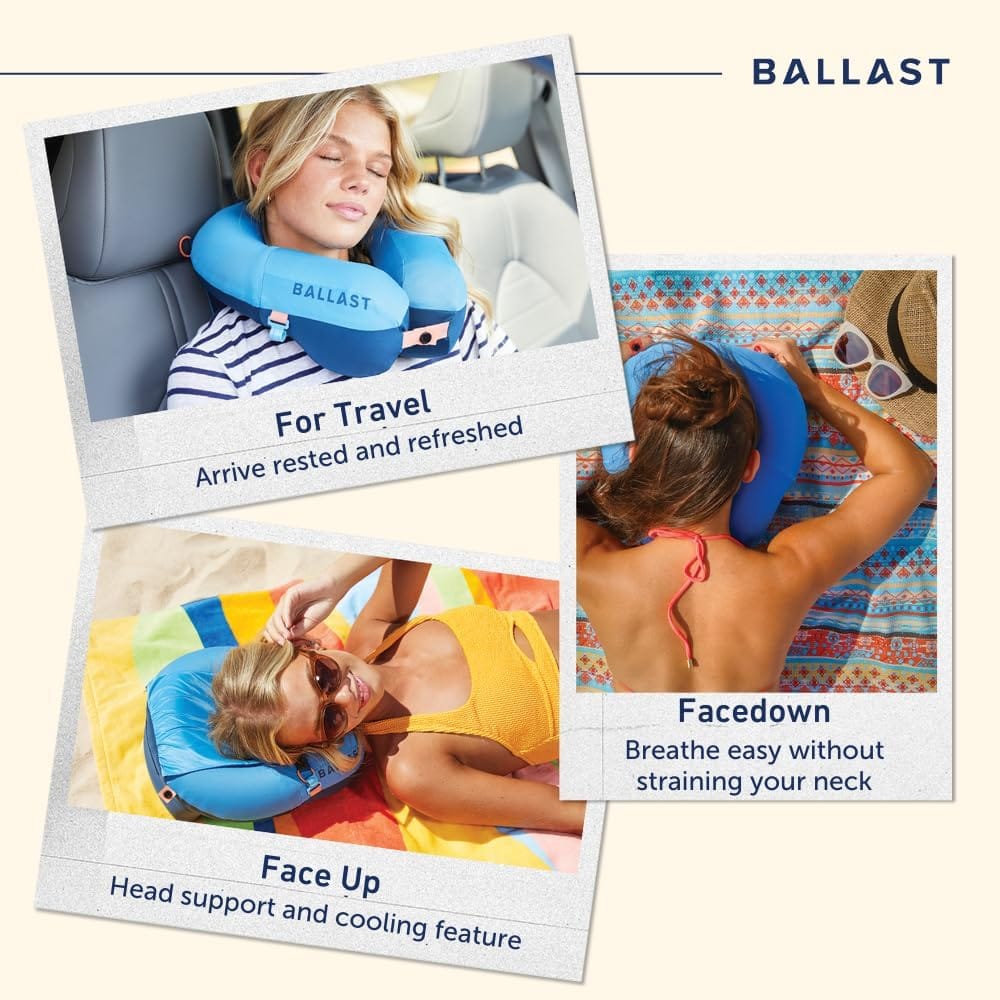
Inspect the Valve Before Hunting for a Puncture
A partially closed valve, debris, or an incorrectly seated cap can mimic a slow leak. The valve is the easiest place to check before applying any repair material to the bladder.
Confirm the Air Loss Before Looking for a Puncture
An inflatable pillow can feel softer over time for several reasons, and not every change means the bladder has a hole. Temperature, an incompletely closed valve, or a valve cap that is not seated correctly can affect firmness. Start by inflating the pillow normally, closing the valve exactly as instructed, and observing whether the pressure changes in a consistent way. For a closely related guide, see inflatable travel pillow guide.
If the pillow loses air quickly, inspect the valve first because it is the main opening in the system. Look for debris, damage, or a closure that is not engaging fully. Do not pry or modify the valve unless the product is designed for service. A forced repair can turn a simple sealing issue into permanent damage. More detail is available on air-filled design. A focused guide on inflatable travel pillows adds useful detail.
Different Air-Loss Patterns Point to Different Checks
How quickly pressure changes can help you decide where to inspect next, although it does not prove a specific failure.
| What you notice | Check first | Next step |
|---|---|---|
| Loses air immediately Valve / large opening | Confirm valve is fully seated and there is no obvious tear. | Stop use if damage is visible and follow repair or warranty guidance. |
| Slow pressure loss Small leak / valve seal | Recheck valve, seams, and fold lines. | Locate the exact leak only with a product-safe method. |
| Feels softer after temperature change Air volume change | Consider whether cabin or room temperature changed significantly. | Reassess before assuming the bladder is damaged. |
| Leak near a seam Structural area | Inspect for separation rather than a simple puncture. | Check manufacturer repair or replacement guidance before patching. |
Use a Systematic Check Around Seams and High-Stress Areas
If the valve appears to be working, examine welded seams, fold lines, and areas that regularly contact hard objects in luggage. Small punctures can be difficult to see when the pillow is fully deflated. A controlled inspection is more useful than repeatedly squeezing the product at random. Follow any leak-detection method supplied by the manufacturer. For this specific topic, review ergonomic inflatable travel pillow.
The location of the problem matters because not every surface can be repaired in the same way. A patch intended for a smooth bladder may not bond well to flocked fabric or a seam. Before applying adhesive or a patch, check whether the product includes a repair kit or specific instructions. Using an incompatible repair can make a later proper repair more difficult. You can also read about air pillow. Another relevant resource is foldable inflatable airplane pillow.
Use the Product's Material and Warranty Guidance Before Patching
A patch that works on one plastic, coating, or fabric may not bond safely to another. The product instructions should control the repair method.
Before any repair
- Identify the material: use the listing, label, or manufacturer documentation rather than guessing from touch.
- Check included repair kit: some products include material-specific patches or instructions.
- Check warranty terms: a repair attempt can affect warranty options on some products.
- Avoid structural seams unless instructed: seam damage may need a different solution than a simple surface puncture.
Change the Packing Habit That Caused the Wear
If the leak came from abrasion or puncture, the next repair is less useful unless the storage routine changes too.
Separate Sharp Items
Keep pens, zippers, keys, and hard-edged accessories away from the inflatable surface inside the bag.
Use the Intended Fold
Repeated stress at an unnatural fold can concentrate wear on the same line or seam.
Do Not Overinflate
Use the recommended firmness so seams and the valve are not carrying unnecessary pressure.
Know When Replacement Is the More Practical Option
A small puncture on a repairable surface may be worth fixing, especially when the manufacturer provides a compatible patch. Damage near a valve, a separating seam, or repeated leaks can be a different situation. If the repair would affect a structural part of the air chamber, replacement or a warranty route may be more dependable than repeated temporary fixes. You can also explore inflatable pillow for camping.
After any permitted repair, test the pillow before the trip rather than assuming the patch is finished once it looks dry. Inflate it, leave it for a reasonable period, and check the repaired area again. A successful repair should restore practical use without requiring constant reinflation. If pressure continues to fall, investigate again before relying on the pillow during travel. See this related inflatable pillow on Amazon.
Inflatable Travel Pillow Options With Different Valve Designs
The catalog examples can show different valve and bladder constructions. If your current pillow is losing air, use the troubleshooting steps first and follow that product's repair or warranty guidance.
Ballast Pro Beach & Travel Pillow – Inflatable Neck Pillow for Airplanes, Beach & Pool, Compact and Water-Resistant
Neck Pillow for Traveling, Travel Pillows for Airplanes, Adjustable Neck Pillow Airplane Travel Essentials – 2 Layer Patented | Inflatable Air Loop & Memory Foam for 360° Ergonomic Support

Sintuff 2 Pcs Inflatable Travel Pillow with Compact Bag and Blindfold Velvet Inflatable Neck Airplane Pillow Washable Cushion for Airplanes Flight Car Long Traveling Kids Adults Grey Blue

Sintuff 2 Pack Inflatable Travel Pillow for Airplanes Inflatable Neck Flight Pillows with Compact Bag and Blindfold for Traveling, Airplane, Train, Car, Office(Dark Gray and Light Pink)
Verify the Cause Before Choosing Repair or Replacement
The safest troubleshooting path is identify, verify, then repair only with the method approved for the exact product.
