
How to Store a Travel Pillow Between Trips Without Trapping Moisture
Storage problems usually begin when a pillow is packed damp, dirty, over-compressed, or forgotten with a small hardware issue.
Clean only as directed, dry every layer fully, inspect the product, and use a storage method that suits its material. Recheck the pillow before the next trip rather than discovering odor or damage during packing.

Finish the Trip With a Drying and Inspection Routine
Do not move a used pillow directly from the seat into long-term storage. Give it a short reset so sweat, spills, or trapped moisture do not stay compressed for weeks.
Clean as the Product Requires
Wash the removable cover or clean the surface according to the exact care instructions.
Dry Every Layer Fully
Check foam, fabric folds, seams, valve areas, and the storage pouch before packing.
Inspect Hardware and Seams
Look for zipper, closure, strap, valve, or seam problems while the product is still open and easy to inspect.
Pack Using the Intended Method
Compress, roll, fold, or pouch the pillow only in the way recommended for its construction.

Use the Storage Method the Product Was Designed For
A foam pillow may use a compression strap, while an inflatable pillow may roll into a pouch. The correct packing method depends on material, construction, and manufacturer guidance.
Storage Problems Usually Start Before the Pillow Is Packed
Odor and stale fabric often begin with a pillow being stored before it is fully dry. Even a removable cover that feels dry on the surface can hide moisture along seams or around a zipper. Foam cores, thick plush materials, and folded inflatable surfaces need extra time. Make dryness the final condition for storage rather than the last step you rush through. For a closely related guide, see compact travel pillows.
Cleaning before storage also prevents small marks from becoming harder to remove later. Follow the material-specific care instructions, then allow every layer to air out before reassembly. If the product was used during a humid trip, give it time outside the luggage even when it does not look dirty. Luggage compartments are not ideal drying spaces. A useful related topic is packed size. Another relevant resource is lightweight backpacking travel pillow.
Storage Pressure Should Match the Pillow Construction
Different materials tolerate compression differently. Use the product instructions instead of one universal storage rule.
| Construction | Storage question | What to verify |
|---|---|---|
| Memory foam Compression | How tightly and how long should the foam remain compressed? | Manufacturer storage guidance and recovery time. |
| Inflatable Folding / valve | How should the bladder be deflated and folded without stressing seams or the valve? | Fold direction, valve protection, pouch condition. |
| Fiber / microbead Shape + moisture | Will long compression flatten fill or trap moisture? | Recommended packing and drying method. |
| Hybrid Multiple materials | Do removable inserts or parts need separate storage? | Component instructions and pressure points. |
Compression Should Match the Material
Inflatable pillows are usually designed to be deflated and folded, while memory foam products may be compressed into a travel bag only for limited periods. Fiber-filled and hybrid products can have different storage instructions again. Use the included pouch or stated method rather than assuming the smallest possible bundle is always the best long-term storage shape. More detail is available on packed size. You can also explore travel accessories for flights.
If a foam pillow is stored compressed, allow it to expand before the next trip and check that the shape returns evenly. For inflatable products, avoid sharp folds around the valve or the same seam every time if the instructions advise another method. The storage routine should protect the structure that makes the pillow useful, not merely save the maximum amount of closet space. For another practical angle, see lightweight. For this specific topic, review lightweight travel pillow.
Treat Moisture as the Main Storage Risk
Fragrance cannot fix a damp storage routine. The most useful prevention step is making sure both the pillow and its bag are completely dry before they are closed together.
Dry-storage check
- Pillow surface: no damp fabric, trapped condensation, or wet cleaning residue.
- Internal material: allow foam or other absorbent areas enough time to dry beyond the surface.
- Storage pouch: clean and dry the pouch so it does not transfer odor or moisture back to the pillow.
- Storage location: avoid placing the pillow where persistent humidity, heat, or sharp objects can create new problems.
Reopen the Pillow Before It Goes Back in the Carry-On
A quick check several days before travel gives you time to clean, air out, or replace a product if something changed during storage.
Restore the Shape
Let compressed foam or fiber recover according to the product guidance before judging whether it still feels normal.
Test Valve or Closure
Inflate air products and operate snaps, zippers, and straps before relying on them in transit.
Inspect Odor and Surface
Look for damp smell, residue, seam stress, or damage and deal with it before packing day.
Use a Pre-Trip Recheck Instead of Discovering Problems in Transit
A few days before travel, open the stored pillow and inspect it. Check for odor, trapped moisture, damaged seams, a stiff zipper, or a valve that no longer closes normally. If the product has an adjustable strap or closure, make sure it still moves freely. These small checks are easier at home than in an airport seat. You can also read about headphones or glasses. A focused guide on compact foldable pillow adds useful detail.
This is also the right time to wash a removable cover if the pillow has been stored for a long period. Repack only after everything is dry. A simple clean-dry-inspect-store-recheck cycle keeps maintenance predictable and helps each trip start with a product that is ready to use rather than one that needs unexpected attention. See this related travel pillow on Amazon.
Travel Pillow Options With Different Packing and Storage Methods
The catalog examples may use compression bags, snap straps, carrying pouches, or naturally compact inflatable designs. Follow each product's storage instructions and avoid assuming every material should stay compressed long-term.

Travel Pillow Memory Foam Neck Pillow for Airplanes with Adjustable Neck Support, Includes Eye Mask, Earplugs & Storage Bag – Perfect for Flights, Road Trips, and Trains
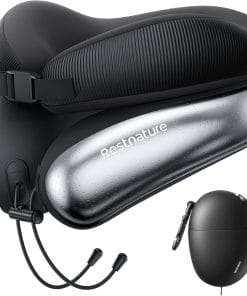
Neck Pillow for Traveling, Travel Pillows for Airplanes, Adjustable Neck Pillow Airplane Travel Essentials – 2 Layer Patented | Inflatable Air Loop & Memory Foam for 360° Ergonomic Support

jiaao Neck Travel Pillow Memory Foam 360° Neck Support Pillows for Airplane | Ergonomic Neck Pillow for Long Flight, Airplanes, Cars & Trains, Kit with Eye Mask, Earplugs and Storage Box

Ostrichpillow GO Travel Pillow, 360° Memory Foam Support, Soft & Washable
Clean, Dry, Inspect, and Pack by Material
A consistent end-of-trip routine keeps small moisture, valve, seam, and storage problems from becoming last-minute travel problems.
